
entry 001 — home
Point the instrument.
Take the reading.
I'm a student learning to look at the world the way surveyors and scientists do — carefully, instrument in hand, willing to be corrected by what I find.
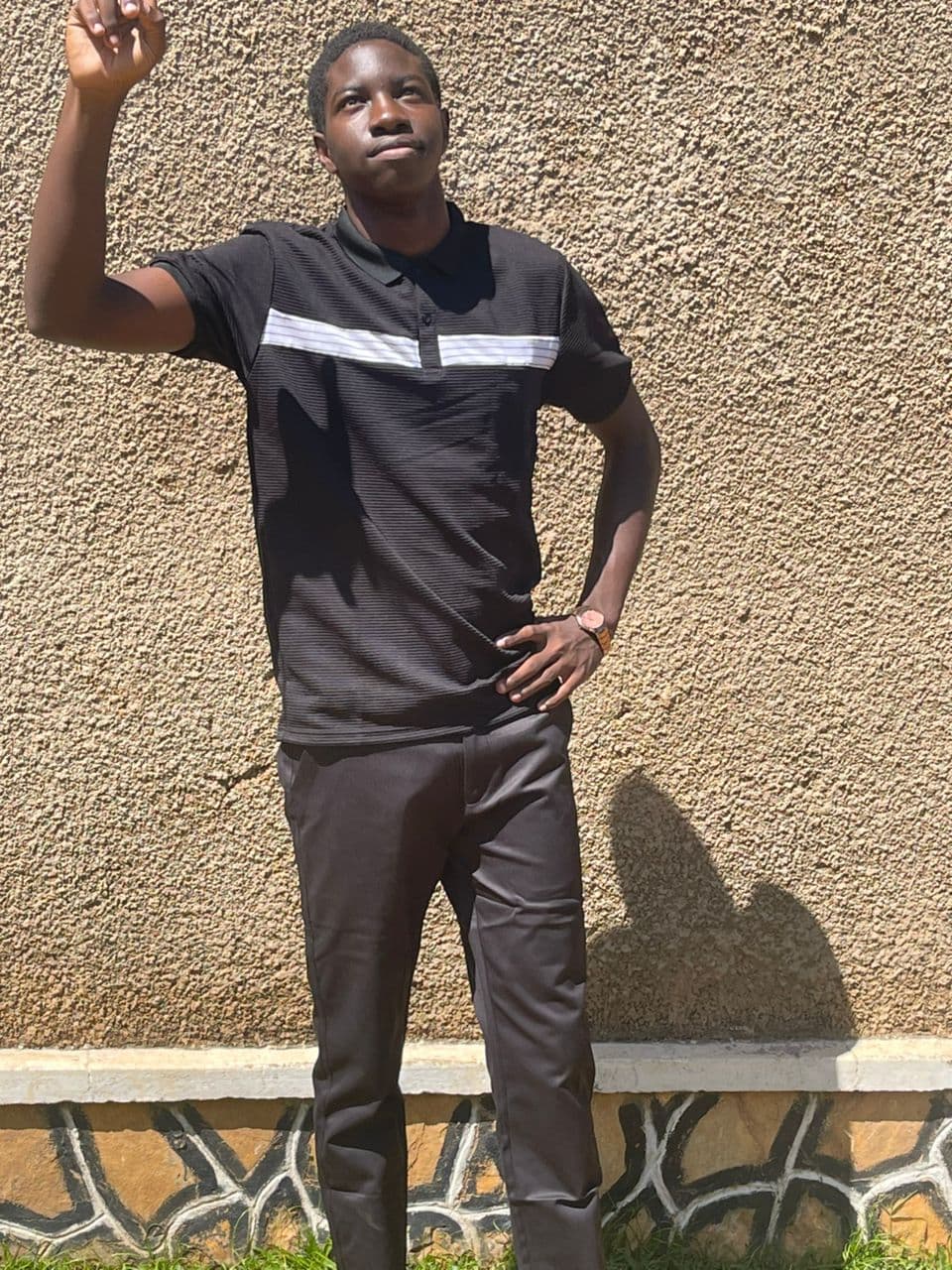
always the one taking the reading
I'm a scientist, at least I claim to be. I want to be a scientist and go where scientists go — into reality.
entry 01 — who's asking
01Curiosity first,
credentials later.
I'm a student first, and a scientist and engineer in training — someone who wants to know how things actually work, not just how they're described.
My interests sit where scientific reasoning meets hands-on skill: mathematics, physics, and the instruments engineers use to make the world measurable. I care about real experience because it's the only thing that turns an idea into something you can point at, test, and be wrong about.
entry 02 — technical orientation
Three weeks outside
the classroom.
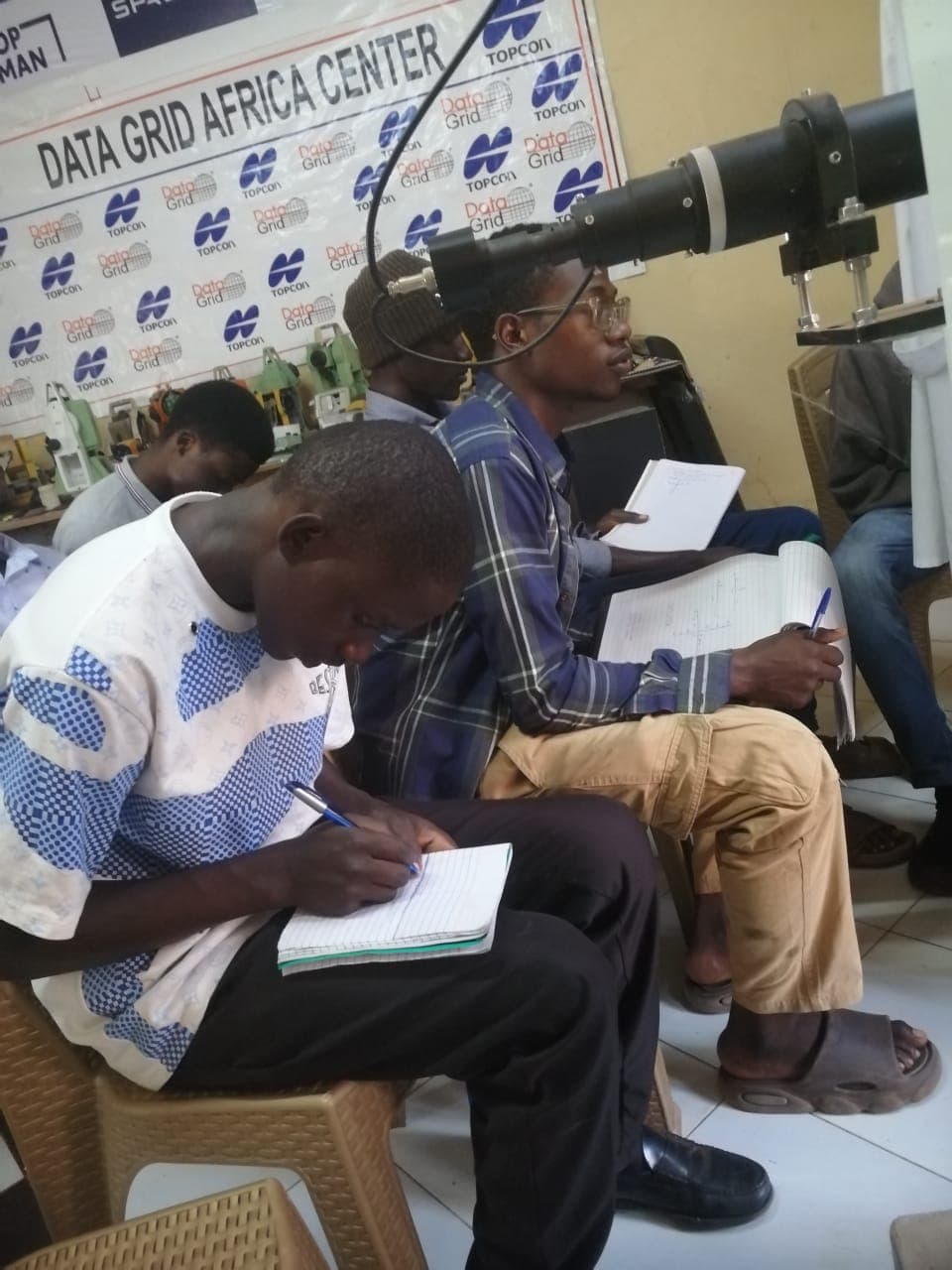
A short technical placement put real instruments in my hands for the first time — calibration benches, survey levels, and GIS software instead of textbook diagrams.
Calibration engineering
Learned why a measurement is only as good as the instrument that took it, and what it takes, bench by bench, to keep an instrument honest.
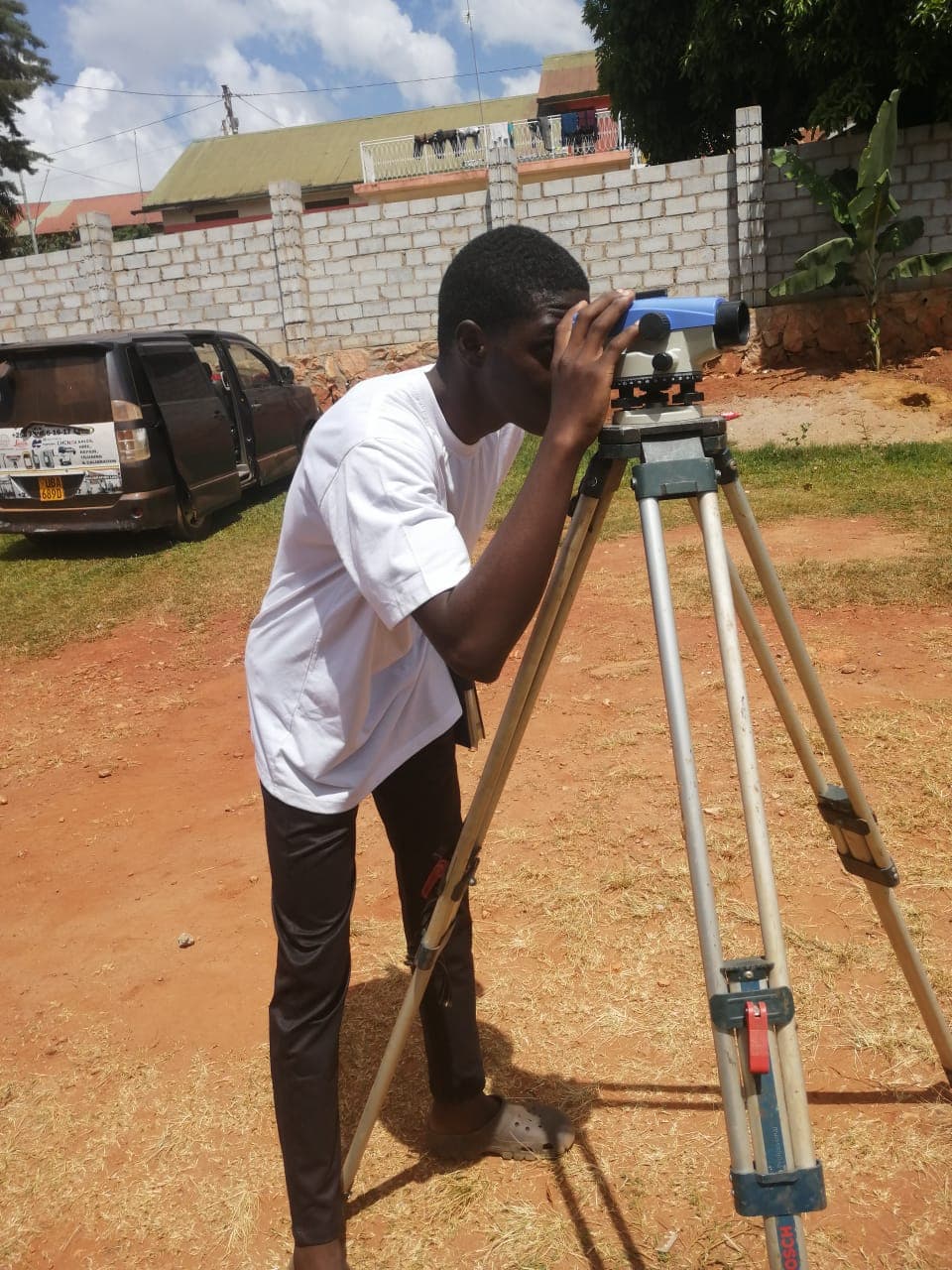
Reading the level
Surveying & GIS
Set up a level, sighted a staff, and turned raw field readings into a map with GIS software — the same data, moving from field to file.
entry 03 — field notes
Three frames from
outside the page.
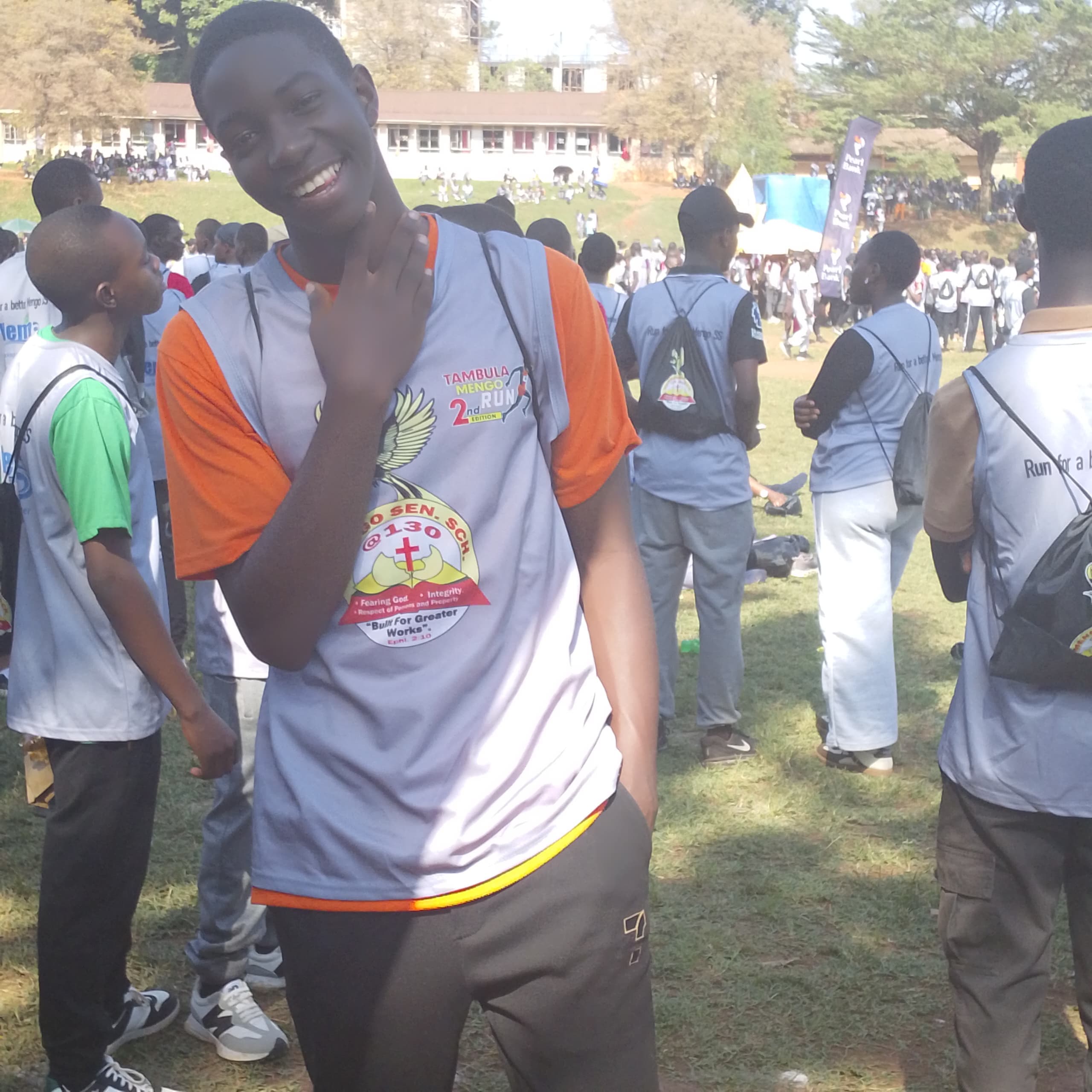
Photographs from the placement, and from the life running alongside it.
entry 04 — method
A good question
outlasts a good answer.
Growth asks you to be corrected.
Knowledge isn't a pile of settled answers. It's a habit of asking sharper questions, and being willing to redo the reading when reality disagrees with you.
I'm not trying to become someone who already knows. I'm trying to stay calibrated enough to find out.
entry 05 — direction
From theory
to instrument.
I'm building toward science and engineering one foundation at a time — strengthening the maths and physics underneath, while looking for more chances to put tools in my hands.
The plan isn't to collect knowledge for its own sake. It's to get comfortable with unfamiliar problems: observe, question, model, test, and read again.
- Advanced mathematicsqueued
- Physicsqueued
- Engineering principlesunderway
- Programming & computational thinkingqueued
- Scientific research methodsqueued
- Technical & field projectsunderway
- Data & analytical toolsunderway
entry 06 — get in touch
Leave a note in the margin.
Questions, opportunities, corrections — all welcome. I read everything that lands here myself.
the notebook stays open